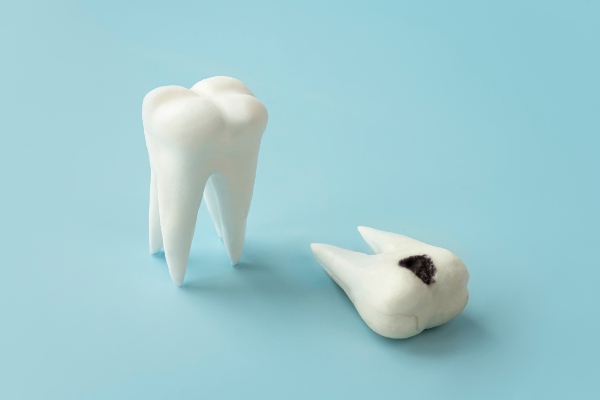
 A dental cleaning is an opportunity for the dentist to inspect an individual’s mouth. One can experience jaw discomfort, hear noises, and feel some prodding. That is why some people do not look forward to this visit. However, keeping oral cleaning appointments is important for one’s dental health. Here are the details on how a regular dental cleaning can prevent tooth decay.
The physical dental exam
The dentist will inspect the patient’s mouth before the dental cleaning begins. Checking the teeth and gums will determine if the patient has problems like cavities. The dentist can then suggest an immediate filling treatment. Sealing the teeth with early stages of dental decay can prevent the problem from worsening. Performing preventive treatments like fluoride coatings and dental sealants can protect the teeth from future cavity formation.
Plaque and tartar removal
A handheld scaler and small mirror will help the dentist remove the tartar and plaque. The target areas are dental surfaces, surrounding areas of the gumline, and thin spaces between teeth. The patient will hear some scraping noises during this part of the dental cleaning. The dentist will remove any plaque the patient misses during daily flossing and brushing.
Brushing using gritty toothpaste
Once the mouth is free of tartar, the dentist will brush the teeth with a powerful electric toothbrush. A grinding noise can make this stage of dental cleaning a little scary. However, this type of professional brushing rids of leftover plaque and tartar after scaling. The toothpaste will taste and smell like regular toothpaste, but it is gritty. Some dentists allow patients to choose flavors. The grittiness will scrub the teeth and remove more leftover plaque and tartar.
Professional flossing
The dentist will floss the teeth during a dental cleaning. Going between the teeth will determine any problem spots where bleeding might occur. It can also give the dentist an idea of the depth of the gum pockets. Professional flossing can remove more leftover plaque and even leftover toothpaste from the power brushing earlier.
Thorough rinsing
Near the end of the dental cleaning, the dentist will tell the patient to rinse. This part of the treatment will remove any debris. It will also wash out excess plaque and tartar. The dentist often provides an oral rinse with liquid fluoride.
Fluoride treatment application
This is the last stage of the dental cleaning process. A fluoride treatment protects the cleaned teeth from bacterial acids for many months. The patient may choose the preferred flavor. Placing the sticky fluoride paste or foamy gel into a mouthpiece that fits the patient’s dental arches will follow. The dentist will leave the mouthpiece for about a minute.
After this, the dentist will apply fluoride varnish. Painting the liquid varnish onto the teeth will allow the fluoride to cover the teeth well. The dentist will use a small brush for this. Saliva will harden the varnish. This coating will protect the teeth when the patient drinks and eats later.
Regular dental cleaning can protect your teeth from decay
Studies show that dental decay is the most common dental problem, even in adults. Preventing it means keeping the mouth healthy. Regular dental cleaning can keep your mouth cavity-free. Working with your dentist can keep your teeth healthy for a long time.
Request an appointment or call Miami Dental Group of West Kendall at 305-894-3741 for an appointment in our Miami office.
Related Posts
Getting a dental cleaning according to your dentist’s recommendation can help keep your oral health intact. This treatment can remove the substances that can deteriorate teeth and gums. It can also prevent many dental problems from taking hold. Here are the details on how a dental cleaning can help maintain oral health.Regular dental cleaning can…
If there is one thing that people tend to put off for the future, it is their dental cleaning appointment. It can be easy to say that you will set up a visit next week and then next month, and soon, a whole year has passed. For many, the hesitance about going to the dentist…
Dental cleanings are a preventative tool general dentists use to promote optimal oral health. These services are integral in preventing many issues. Still, decay and disease are the two most prevalent dental conditions in the United States. While different, these conditions can trigger one another and have a domino effect, triggering other conditions.While many are…